




 Greg Lance - Watkins (Greg_L-W)




Helping The British to Understand The EU
.
.
Please Be Sure To . . Re-TWEET my Twitterings
. Re-TWEET my Twitterings& Publicise My Blogs
To Spread The Facts World Wide
of
&
.
Clean EUkip up NOW make UKIP electable!
.
The corruption of EUkip’s leadership,
their anti UKIP claque in POWER & the NEC
is what gives the remaining 10% a bad name!
.
Helping The British to Understand The EU!
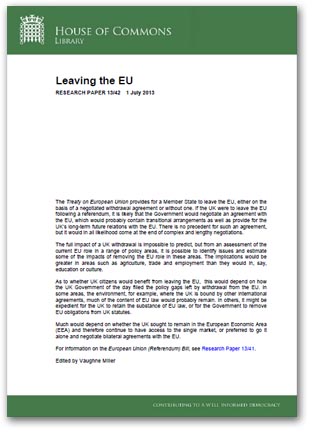
This article in ‘Public Service EUrope’ magazine shows clearly a reason why These United Kingdoms should Leave-The-EU!
We would in virtually every way be Better-Off-Out of The EU & the more articles like this the British read the better will be their understanding of these facts!
.
~~~~~~~~~~#########~~~~~~~~~~


~~~~~~~~~~#########~~~~~~~~~~
INDEPENDENT Leave-the-EU Alliance

&
Work With THE MIDNIGHT GROUP to
Reclaim YOUR Future
&
GET YOUR COUNTRY BACK
Deny the self serving political clique ANY Democratic claims to legitimacy
Write Upon Your Ballot Paper at EVERY election:
.
Posted by: Greg Lance-Watkins
tel: 01594 – 528 337
Accuracy & Copyright Statement: CLICK HERE
Summary, archive, facts & comments on UKIP: http://UKIP-vs-EUkip.com
DO MAKE USE of LINKS & >Right Side Bar< & The Top Bar >PAGES<
Also:
Also:
Details & Links: http://GregLanceWatkins.Blogspot.com
UKIP Its ASSOCIATES & DETAILS: CLICK HERE
Views I almost Totally Share: CLICK HERE
General Stuff: http://gl-w.blogspot.com
Health Blog.: http://GregLW.blogspot.com
TWITTER: Greg_LW
.
Please Be Sure To .. Re-TWEET my Twitterings
. Re-TWEET my Twitterings & Publicise My Blogs
To Spread The Facts World Wide
of
OUR-ENEMY-WITHIN
&
To Leave-The-EU
of
OUR-ENEMY-WITHIN
&
To Leave-The-EU
Related articles
- UKIP’s EU Funded Hypocricy (ukip-vs-eukip.com)
- The Current Plight of UKIP (ukip-vs-eukip.com)
- By-Election Results of 21-Jun-2012 (ukip-vs-eukip.com)
- Derek Clark UKIP MEP Disbands Committee to cover his lies! (ukip-vs-eukip.com)
- UKIP Expecting Catastrophic Domestic Election Results (ukip-vs-eukip.com)
- Seems Gerard Batten NOT Found Guilty! (ukip-vs-eukip.com)
- Nigel Farage & the mediocre squalor of UKIP (ukip-vs-eukip.com)
- #0788* – In what other ways is UKIP on the fiddle? (ukip-vs-eukip.com)
- Cowardly UKIP Sock Puppet reminded of THE FACTS! (ukip-vs-eukip.com)
- UKIP MEP Gerard BATTEN, UKIP & Gregory LAUDER-FROST (ukip-vs-eukip.com)
- UKIP Catastrophically fulfills predicted results! (ukip-vs-eukip.com)
- I Believe UKIP IS Anti Homosexual (ukip-vs-eukip.com)

 Ukip-vs-EUkip